
Table Of Contents
Sanchar Saathi
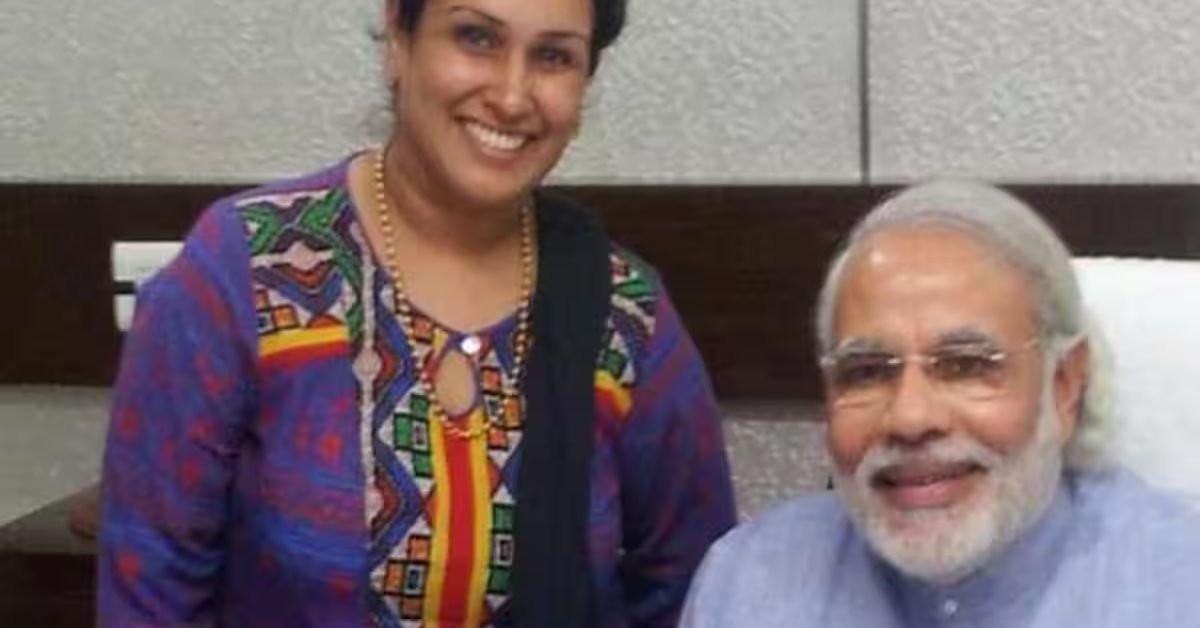
In a fiery X post that’s racked up over 150,000 views, BJP karyakarta Priti Gandhi has sparked a national debate on digital trust and hypocrisy.
Millions of Indians happily install foreign apps like Google Dialer, Apple’s vacation tracker, and Truecaller, all of which also access your data to function.
So why object only when India creates Sanchar Saathi?”
She wrote on December 2, 2025.
Gandhi’s words cut through the noise of a controversy that’s gripped India’s tech-savvy 1.2 billion mobile users, pitting consumer protection against fears of government overreach.
The Sanchar Saathi Spark: A Tool Born For Safety
Launched by the Department of Telecommunications (DoT) in January 2025, Sanchar Saathi, meaning “Communication Companion”, aims to shield users from the shadows of cyber fraud.
With over 14 million downloads already, the app enables you to verify your phone’s IMEI (International Mobile Equipment Identity) to detect fakes, report lost or stolen devices, and flag suspicious calls.
It is credited with blocking 4.2 million stolen phones and eliminating 30 million bogus SIMs, a lifeline in a country where call-center scams siphon billions of dollars annually.
Gandhi emphasizes its transparency:
“#SancharSaathiApp does not collect anything secretly. It asks before taking any information, and it uses that only to stop mobile fraud, block stolen or cloned phones, and protect consumers.”
The privacy policy supports this, requiring explicit permissions for Android call logs, photos, and messages, with no automatic access.
For iOS, users manually approve shares.
DoT insists: “It does not automatically capture any specific personal information without intimation.”
Yet, the app’s Achilles’ heel?
Broad permissions that privacy hawks say could enable surveillance, especially since government entities dodge full scrutiny under India’s Data Protection Act.
The Firestorm: Mandates, Backlash, And A Quick U-Turn
Trouble ignited on November 28 when DoT quietly ordered Apple, Samsung, Xiaomi, and others to preload Sanchar Saathi on all new Indian smartphones within 90 days.
The kicker: Users could not disable or delete it, turning every device into a “vessel for state-mandated software,” as the Internet Freedom Foundation (IFF) blasted. For existing phones, software updates would force it in.
The outcry was swift and bipartisan. Congress MP Priyanka Gandhi Vadra dubbed it a “snooping app,” warning it erodes privacy rights and signals a slide toward dictatorship.
AIMIM’s Asaduddin Owaisi echoed: “Another Modi govt effort to destroy citizen privacy.”
IFF vowed to “fight this direction till it is rescinded,” citing root-level access risks that could let the app “peer into” other data.
Tech giants pushed back hard. Apple, privacy purists at heart, flat-out refused, citing core security conflicts.
Google and Samsung considered “middle paths” like opt-in prompts, but compliance became a nightmare for their global policies, except in places like China.
By December 3, the government blinked. Telecom Minister Jyotiraditya Scindia clarified:
“It is optional. I can delete it like any other app; snooping is not possible.”
DoT revoked the mandate entirely, a rare win for public pressure in Modi’s India.
“Every citizen has this right in a democracy,” Scindia added, framing the app as a voluntary ally against “bad actors.”
Foreign Apps vs. Homegrown Heroes: Gandhi’s Core Critique
Gandhi’s post nails a double standard that’s hard to ignore.
Truecaller, a Swedish darling with 300 million Indian users, slurps call logs and contacts to unmask spammers, yet faces no mass boycotts.
Google’s Phone app (formerly Dialer) and Apple’s Find My (the “vacation tracker”) also demand location and device data, often with less fanfare.
These globals operate under foreign laws, shipping data abroad, while Sanchar Saathi keeps it local for fraud-busting.
Key Permissions Compared
| App | Data Accessed | Consent | Purpose |
|---|---|---|---|
| Sanchar Saathi | IMEI, call logs, photos (opt-in) | Explicit prompts | Fraud detection, lost phones |
| Truecaller | Contacts, call history | On install, auto-sync | Caller ID, spam blocking |
| Google Phone | Call logs, location | Bundled in OS | Spam calls, visual voicemail |
| Apple Find My | Location, device ID | iCloud-linked | Tracking lost devices |
(Data sourced from app policies; user control varies by OS.)
This is not blind nationalism; it is a call for equity. Indians download 10 billion apps annually, according to Statista, but are hesitant about “Made-in-India” labels.
Gandhi asks: “If we trust foreign apps without a second thought, why fear a Made-in-India safety platform that’s actually built to protect us?”
Beyond the Buzz: Lessons For Digital India
This saga underscores a maturing India: privacy is not anti-progress; it is non-negotiable, following the 2017 right-to-privacy ruling.
The revocation demonstrates responsiveness, but experts like IFF urge more explicit data retention rules, clear timelines, and explicit opt-outs.
Cyber pros note voluntary Sanchar Saathi could still curb IMEI cloning, a smuggling plague.
For users, the takeaway? Scrutinize permissions across the board, both foreign and domestic.
As Gandhi’s post gains steam (687 replies and counting), it reminds us: True security starts with informed choice, not mandates.
In a world of data vampires, trusting the home team might just be the smartest bet.
Post's Author