
Table Of Contents
Dr. Zakir Naik
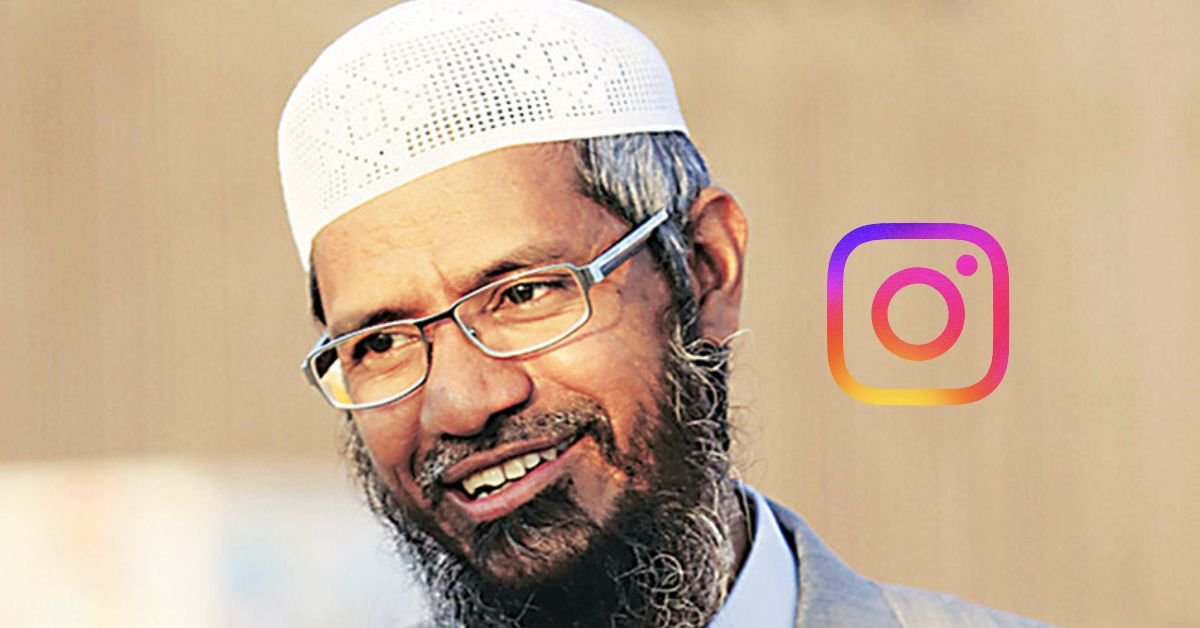
In a move underscoring India’s strict stance on controversial figures, users in the country are encountering restricted access to Dr. Zakir Naik’s Instagram account (@drzakir.naik).
Screenshots circulating online reveal a pop-up from Meta explaining that the account has been withheld following a legal request, due to content violating local laws.
This geo-restriction keeps the profile accessible internationally but blocks it for Indian users, part of broader efforts to limit potentially inflammatory material.
Although direct reports on the Instagram action remain limited, it mirrors restrictions on Naik’s other platforms.
His X (formerly Twitter) account was previously withheld in India, triggered by his visit to Pakistan, where he engaged with officials and religious leaders.
The decision stems from longstanding accusations of promoting hate speech and extremism, which Naik has repeatedly refuted.
Naik’s Fugitive Status And Legal Challenges
Dr. Zakir Naik, a well-known Islamic preacher, has been evading Indian authorities for years.
He is accused of money laundering, fostering religious discord, and terrorism-related links under the Unlawful Activities (Prevention) Act (UAPA).
His Islamic Research Foundation (IRF) was designated unlawful, and Peace TV, his media outlet, was banned for allegedly disseminating hate speech.
India continues to pursue his extradition from Malaysia, where he holds permanent residency.
Health issues have occasionally spotlighted Naik, including a hospitalisation in Malaysia that fueled discussions about its effects on legal proceedings.
Nevertheless, he maintains a global following through social media and public talks, focusing on comparative religion and Islamic principles.
Global Engagements And Diplomatic Strains
A notable development involves Naik’s planned multi-city tour of Bangladesh, a shift from his earlier ban there following a major attack.
Under Bangladesh’s interim leadership, he was slated to address audiences on Islamic topics in locations like Dhaka and Chittagong.
This prompted strong objections from India, with the Ministry of External Affairs (MEA) highlighting his fugitive status in official statements.
India has voiced worries that such travels could bolster extremist elements.
Bangladesh later imposed a temporary entry ban on Naik pending national elections.
These events reflect ongoing diplomatic tensions, with Naik also restricted from public speaking in nations like the UK, Canada, and segments of Malaysia.
Implications For Social Media And Expression Rights
The Instagram restriction aligns with India’s regulatory framework under the IT Rules, compelling platforms like Meta and X to honor government directives or face repercussions.
Comparable blocks have affected accounts covering sensitive issues or alternative perspectives, sparking debates on censorship and media freedom.
For example, Instagram has limited access to certain Pakistani influencers in India based on legal mandates.
Analysts note that while these measures aim to safeguard security, they risk curtailing discussions on religious coexistence.
Naik’s advocates portray him as a proponent of interfaith dialogue, citing his positions against coerced conversions.
Detractors, however, view his statements as polarising.
Naik’s situation exemplifies the complex interplay of faith, governance, and online freedoms.
Indian users may explore VPNs for access, though this could breach platform policies.
As extradition efforts continue, the case remains a focal point for observers worldwide.
Post's Author