
Table Of Contents
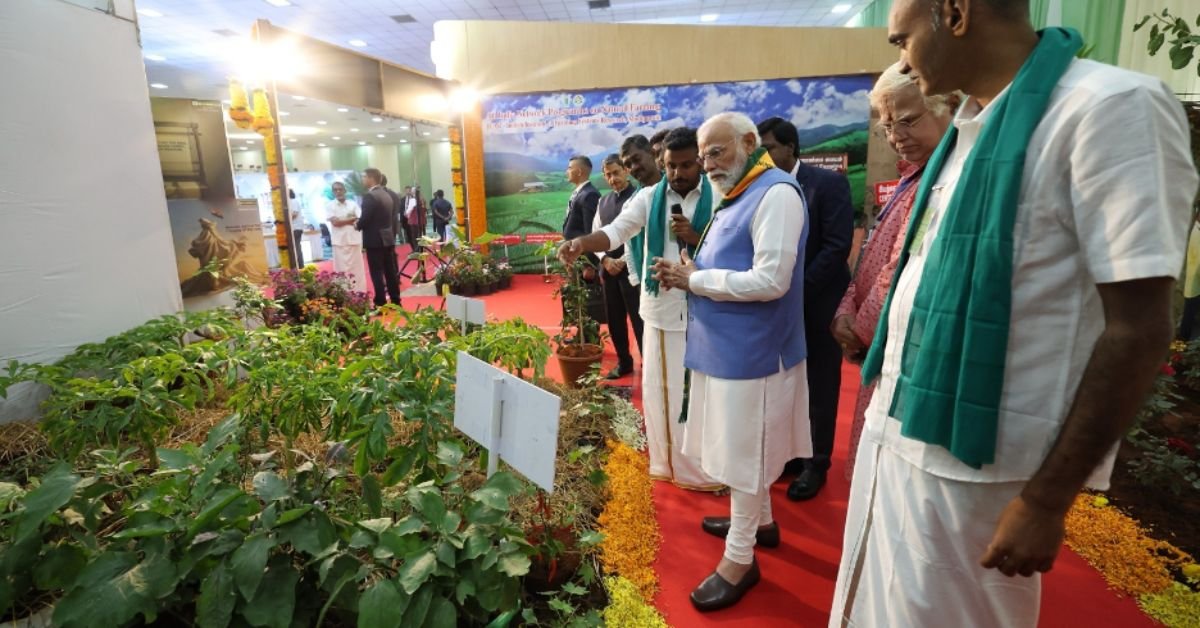
Prime Minister Narendra Modi on Sunday chaired a high-level inter-ministerial meeting to assess the availability of crude oil, natural gas, power and fertilisers in light of the ongoing West Asia conflict.
The meeting focused on safeguarding agricultural inputs ahead of the Kharif sowing season.
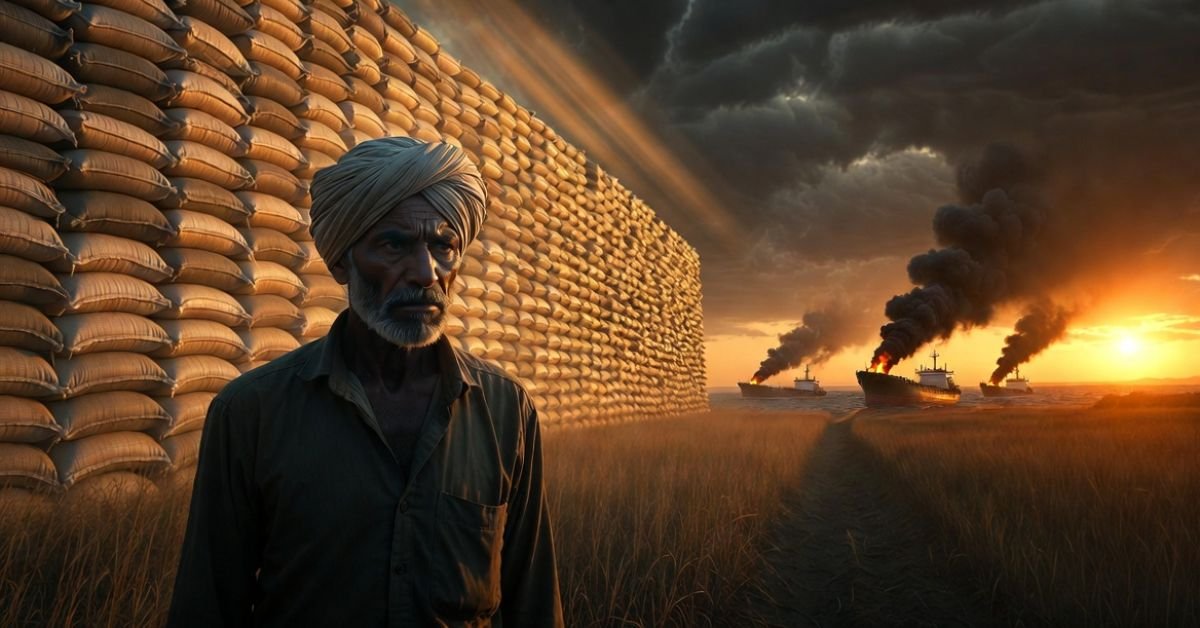
Conflict-Driven Supply Chain Disruptions
The escalation in West Asia, particularly following strikes on Iran since late February, has disrupted key shipping routes through the Strait of Hormuz.
India relies on Qatar for over 50 per cent of its natural gas used in urea production and on Gulf nations for significant volumes of di-ammonium phosphate (DAP).
Global urea prices have risen nearly 50 per cent since late February, climbing from approximately $480–500 per tonne to over $700 per tonne in certain markets.
In India, domestic fertiliser prices increased by 20–30 per cent in early March. Pesticide input costs are also expected to rise by 20–25 per cent.
Robust Stock Position Ensures Kharif Readiness
Government data confirms that current inventories provide a strong buffer against volatility:
- Urea stocks stand at 61–62 lakh tonnes, approximately 10 lakh tonnes higher than the corresponding period last year.
- DAP stocks have nearly doubled to 24–25 lakh tonnes.
- NPK and complex fertilisers have reached a record 56 lakh tonnes, up from 31 lakh tonnes previously.
Urea imports rose 63 per cent during April–January 2025–26 compared with the previous year, while domestic urea production has increased 23 per cent to 67,000 tonnes per day following enhanced natural gas allocation.
The Department of Fertilisers and the Fertiliser Association of India have stated that current stocks, combined with diversified sourcing from Russia, Belarus, Morocco and China, are sufficient to meet full Kharif demand.
Government Measures And Long-Term Strategy
The Centre has decided against any immediate revision in the subsidised maximum retail price of urea, which remains fixed at ₹242 per 45 kg bag.
The government will absorb additional subsidy outgo to shield farmers from cost increases.
Officials are closely monitoring logistics and exploring alternative shipping routes.
Union Minister for Agriculture and Farmers Welfare Shivraj Singh Chouhan and Ministry of External Affairs spokesperson Randhir Jaiswal have reiterated that supplies are “more than adequate”.
The government is simultaneously accelerating production of nano-urea and bio-fertilisers to reduce long-term import dependence.
Implications For Indian Farmers
With over 140 million farmers across the country, particularly in rain-fed regions such as Karnataka, Punjab, Maharashtra and Haryana, the assurance of no shortages this season is significant.
However, a prolonged conflict could elevate overall input costs and increase the fiscal subsidy burden by an estimated ₹20,000 crore.
This episode underscores the importance of achieving greater self-reliance in fertiliser production, building on lessons from the 2022 global supply shock.
India is demonstrably better prepared today due to proactive inventory management and production enhancements.
Farmers are encouraged to procure inputs through authorised channels and monitor updates from local mandis and Raitha Samparka Kendras.
The government continues round-the-clock monitoring of the situation.
Post's Author