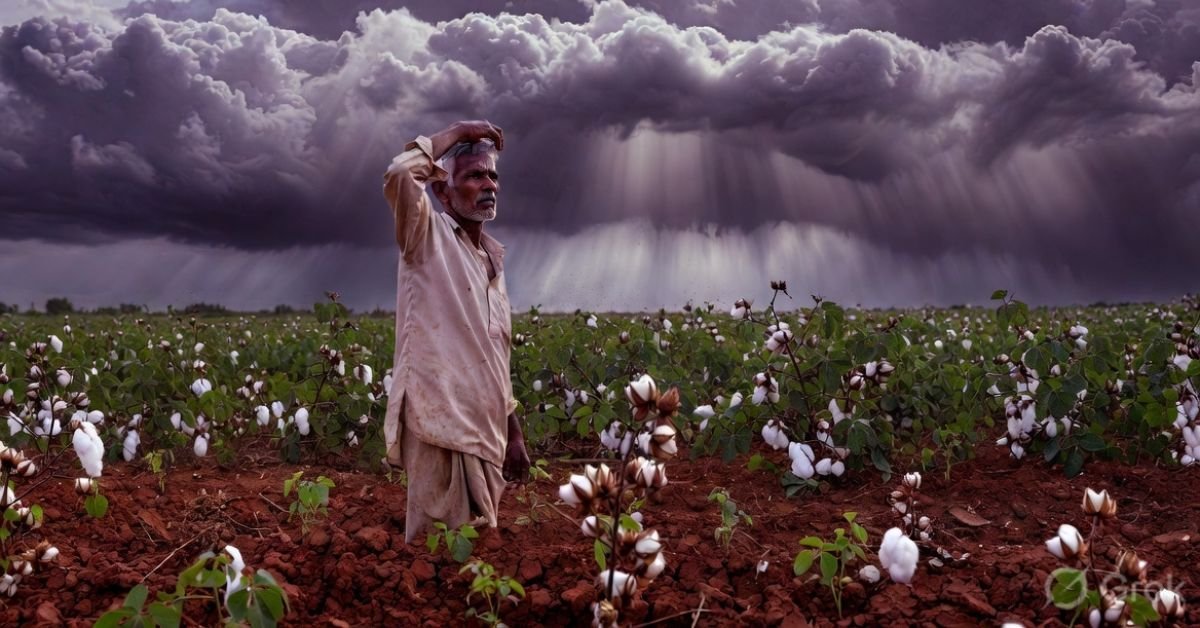

India is experiencing its earliest severe heatwave in recent years, with temperatures soaring 4–8°C above normal across multiple regions in March.
The India Meteorological Department (IMD) has issued heat alerts for several states, underscoring concerns over the accelerating effects of climate change on seasonal patterns.
According to the IMD, heatwave and severe heatwave conditions have already affected parts of Saurashtra and Kutch in Gujarat, Vidarbha in Maharashtra, and isolated areas of Madhya Pradesh and Himachal Pradesh this month.
Daytime temperatures in cities including Mumbai have reached 40°C, while several northern and western urban centres have recorded levels typically associated with May.
Minimum temperatures have also remained elevated, limiting overnight relief and heightening heat stress for vulnerable populations.
The development aligns with the IMD’s long-range forecast issued on February 28, in which Director General Mrutyunjay Mohapatra stated that above-normal heatwave days are expected across most parts of the country during the March-to-May period.
This early onset follows one of the most extreme years in India’s recorded history.
In 2025, extreme weather events, including heatwaves, heavy rainfall, floods and lightning, occurred on 331 of 334 days from January to November, resulting in 4,419 fatalities and damage to 17.41 million hectares of agricultural land.
Agricultural impacts are already emerging. Rabi crops such as wheat and rapeseed in Punjab, Haryana, Rajasthan and Uttar Pradesh face risks from elevated temperatures during critical growth phases.
Power demand has risen sharply as households and industries increase reliance on cooling systems, placing additional strain on the national grid.
Health authorities have activated heat-action plans nationwide, advising residents to remain hydrated, avoid outdoor exposure during peak afternoon hours and monitor elderly family members and outdoor workers.
Medical facilities report an increase in heat-related cases even before the official onset of summer.
While recent Western Disturbances have brought temporary relief through unseasonal rains and hail in northern states, the IMD’s extended outlook indicates that normal to above-normal maximum temperatures will persist along the west coast, including parts of Karnataka, as well as in interior Odisha and eastern Tamil Nadu into early April.
Scientists attribute the shrinking of the traditional spring season and the earlier arrival of intense heat to long-term climatic warming.
India has recorded an average temperature rise of nearly 0.9°C since the early 1900s, with urban areas warming at approximately twice the rate of rural regions due to the urban heat-island effect.
The 2016–2025 decade stands as the warmest on record for the country.
For Bengaluru and the broader Karnataka region, daytime temperatures have remained comparatively moderate, though elevated night-time readings have increased energy consumption and discomfort.
The IMD has urged state governments to implement preparedness measures promptly and has advised citizens to consult official updates via its website for the latest advisories.
As seasonal patterns continue to shift, this March’s events highlight the growing need for enhanced climate resilience across India.
Post's Author