
Table Of Contents
A decade after its release, Salman Khan‘s blockbuster Bajrangi Bhaijaan (2015) continues to evoke strong emotions, but not always for its heartwarming story.
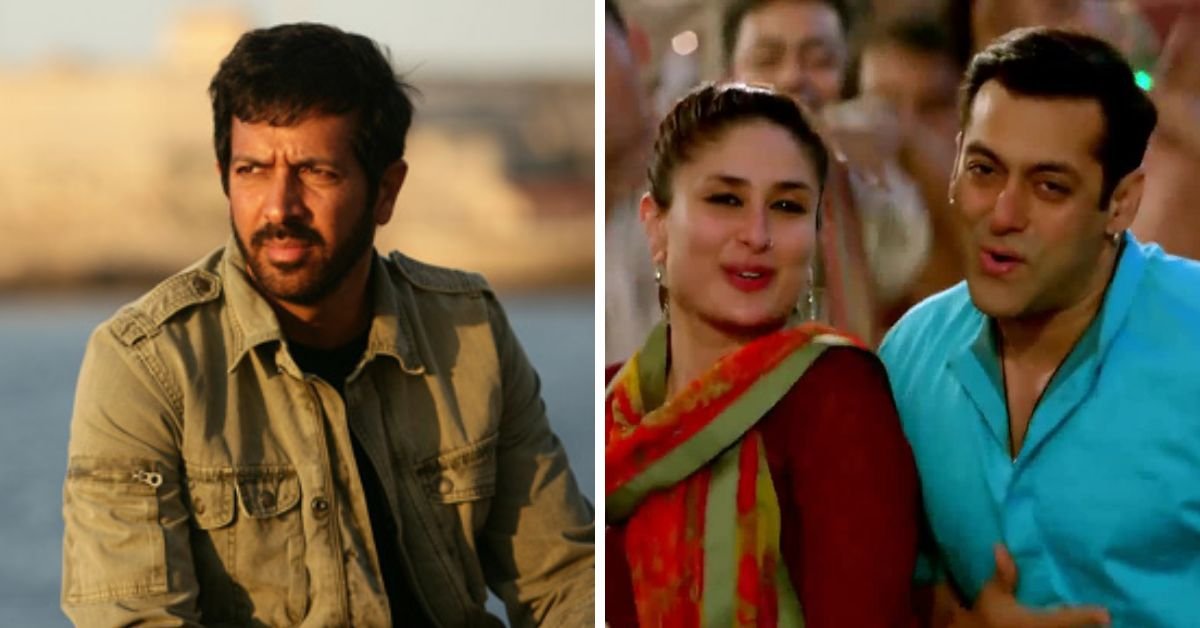
Recent social media buzz has revived a 2022 revelation by director Kabir Khan, who described the popular “Chicken Kuk-Doo-Koo” song as the film’s “most political” track, a subtle commentary on India’s beef ban debates.
The film, a cross-border tale of compassion, grossed over ₹900 crore worldwide and remains one of Salman Khan’s most acclaimed performances.
However, Khan’s candid admission has fueled ongoing discussions about hidden agendas in mainstream Bollywood cinema.
What Did Kabir Khan Say?
In a 2022 interview with Bollywood Hungama, Kabir Khan explained the song’s deeper intent:
“The Chicken Song, at face value, is actually the most popular song for kids… But it is the most political song of the film because it came in the face of the beef ban. Moreover, that song is basically saying, This is Chaudhary Dhaba, a metaphor for India. Half is veg, half is non-veg. You decide what you want to eat, and we can all sit together.”
He framed the scene, where Salman’s devout Hanuman bhakt character reluctantly allows a Pakistani girl (Harshaali Malhotra) to eat chicken, as a message of inclusivity amid rising food-related restrictions in 2015, when states like Maharashtra strengthened cow slaughter bans.
Similar comments appeared in outlets like Hindustan Times and IndiaTimes, where Khan emphasized slipping politics into entertainment without alienating audiences.
The Lyrics At The Center Of Debate
The playful track, sung by Mohit Chauhan and Palak Muchhal, includes lines like:
- “Le aao aaj dharam bhrasht ho jaaye” (Let faith be corrupted today)
- “Saare upvaas nasht ho jaaye” (Let all fasts be destroyed)
Critics argue that these mock Hindu vegetarian traditions and fasting practices portray religious compromise as humorous. Supporters see it as light-hearted advocacy for personal choice and secular harmony.
No Fresh Outrage
While older clips occasionally resurface on platforms like X (formerly Twitter), searches show no primary viral wave or new reactions this year from stars like Salman Khan or Kareena Kapoor Khan.
The controversy peaked in 2022, with analyses from sites like OpIndia and Swarajya Mag highlighting perceived biases.
Kabir Khan has stood by his intent, reiterating in later interviews (including 2025 reflections on the film’s 10th anniversary) that Bajrangi Bhaijaan promotes breaking internal “borders” of intolerance.
Why It Matters Today
In an era of polarized debates over “agenda-driven” films, from The Kashmir Files to recent releases, this episode underscores Bollywood’s role in subtle socio-political commentary.
Khan’s approach, wrapping messages in family entertainment, allowed the film to reach millions without backlash at release.
However, it raises questions: Is artistic subversion a fair game, or does it risk alienating viewers?
As Bollywood navigates evolving audiences, classics like Bajrangi Bhaijaan remind us that even children’s songs can carry adult debates.
The film endures as a celebration of humanity, proving that entertainment and ideology often coexist.
Post's Author