
Table Of Contents
Nationwide Gig Workers’ Strike Disrupts New Year’s Eve
As India welcomed 2026 with fireworks and celebrations, a different scene unfolded on the streets of 22 cities.
Over 200,000 delivery partners, mainly from platforms like Zomato and similar services, joined a nationwide strike on December 31, 2025.
Organised by various gig workers’ unions, the protest focused on long-standing concerns about pay, safety, and working conditions.
The timing of the strike was deliberate.
New Year’s Eve is one of the busiest nights for food delivery, with millions of orders pouring in as people celebrate at home.
Unions hoped the action would force platforms to listen.
However, according to the companies, the night still broke records with 7.5 million orders processed across major platforms, showing that many delivery partners chose to keep working.
Deepinder Goyal’s Direct Response To Violence
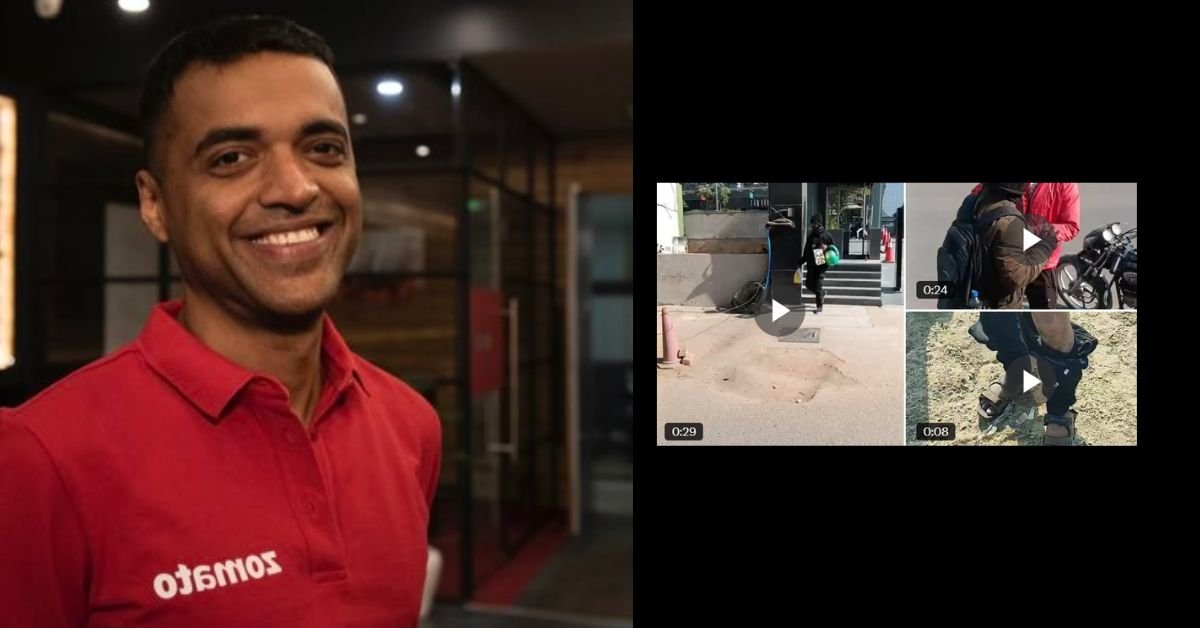
Zomato CEO Deepinder Goyal took to social media to share his side of the story.
He posted videos showing groups of protesters, some wearing “Chai Bana” apparel, approaching Zomato delivery partners at hubs.
In the clips, protesters demanded order details, blocked partners from collecting food, and, in some cases, used physical intimidation.
Goyal condemned these tactics outright, calling them unacceptable and harmful to the very workers the protest claimed to support.
He emphasised that the gig economy offers voluntary, flexible jobs that millions choose because they need the income and freedom.
He pointed out that forcing or intimidating partners who want to work goes against the spirit of fair protest.
His post quickly gained attention, sparking heated discussion online about the right way to demand change.
What The Workers Are Asking For
At the heart of the strike were clear demands:
- A guaranteed minimum wage per order
- Better health and accident insurance coverage
- Improved working conditions, especially with the pressure of faster deliveries
The push for 10-minute delivery services (like Zomato’s quick-commerce arm) has added extra strain.
Riders often feel rushed, leading to more road risks with little extra pay.
Unions argue that while platforms report huge growth and profits, the workers who make it possible are left with unpredictable earnings and no real job security.
How Operations Kept Running Despite The Strike
Despite the large number of workers involved, customers barely noticed any delay.
Platforms credited strong police support at delivery hubs, which prevented major blockades.
Many delivery partners also continued working, either because they disagreed with the strike methods or simply needed the New Year’s Eve surge pay.
The result?
A record-breaking 7.5 million orders delivered without serious disruption.
For customers, the celebrations went on smoothly.
For the platforms, it was proof that their systems and workforce are resilient.
| Facts | Details |
|---|---|
| Date | December 31, 2025 |
| Cities Affected | 22 across India |
| Estimated Workers Involved | Over 200,000 |
| Record Orders on New Year’s Eve | 7.5 million |
| Main Demands | Minimum wage, insurance, safer conditions |
| Reported Disruptions | Minimal, with police support |
The Bigger Picture: India’s Gig Economy Debate
India’s gig economy has exploded in recent years, creating millions of jobs in delivery, ride-hailing, and quick commerce.
For many young people in smaller towns and cities, these roles offer quick income without needing formal qualifications.
Platforms proudly highlight how they employ people who might otherwise struggle to find work.
However, critics, including unions, researchers, and some politicians, point to the downsides.
Studies on gig work in emerging markets show workers often earn below minimum wage after expenses, lack proper social security, and face health risks from long hours on the road.
The flexibility that companies celebrate can feel like instability to workers who never know how much they will earn in a week.
This strike is just the latest chapter in an ongoing conversation about how to balance growth with fair treatment.
A Quick Trivia About Deepinder Goyal
Did you know that Deepinder Goyal started Zomato (originally called FoodieBay) in 2008 simply because his colleagues at Bain & Company kept asking him to fetch restaurant menus from the office cafeteria? He began scanning and uploading menus online to make life easier, and accidentally built one of India’s biggest tech success stories.
Final Thoughts
The events of December 31 highlight the complex reality of India’s gig economy: a huge opportunity mixed with real challenges.
Both sides, workers seeking fairer treatment and platforms defending flexible jobs, have valid points.
What happens next will likely shape how millions of Indians earn their living in the years ahead.
Thanks for reading this piece from the brieffeeds.com team.
We love bringing you clear, straightforward updates on the stories that matter.
Check out our other articles on business, tech, and everyday life in India.
There is always something new to explore!
Author