
Table Of Contents
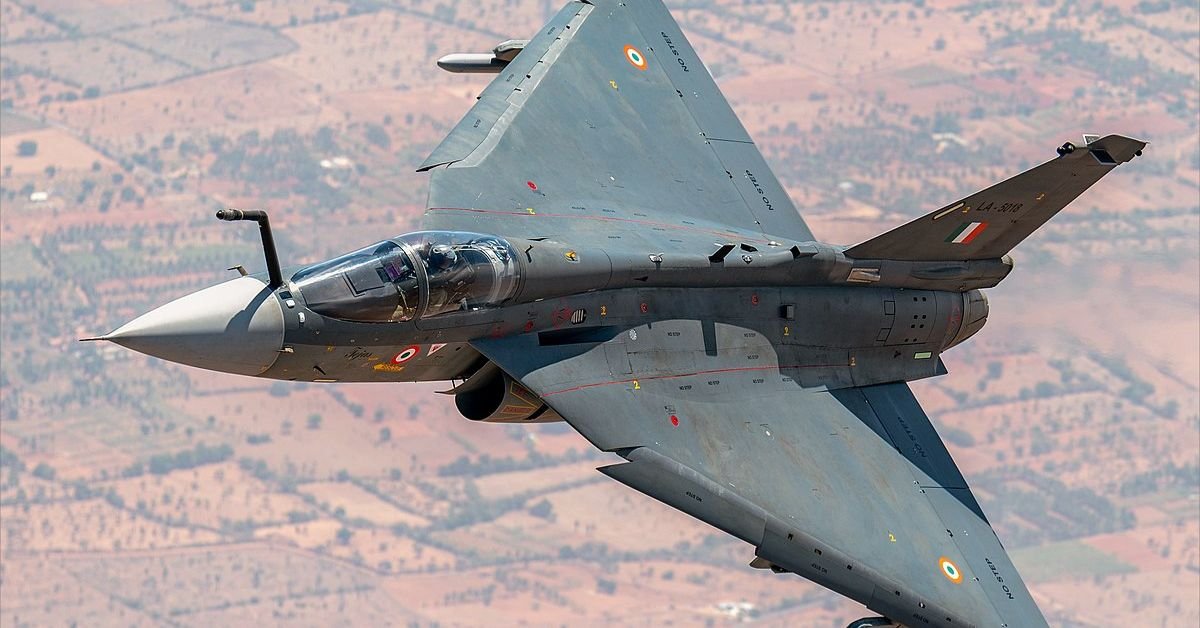
The Indian Air Force has grounded its full fleet of approximately 30 operational single-seat Tejas Mk1 light combat aircraft following a serious runway excursion earlier this month, marking the third major incident for the indigenous fighter in under two years.
The latest accident occurred on February 7, 2026, at a frontline airbase.
The aircraft was returning from a routine training sortie when it overshot the runway due to suspected brake failure, veered into a ditch, and sustained major structural damage.
It is now likely to be written off.
The pilot ejected safely and sustained only minor injuries.
The precautionary grounding order mandates comprehensive technical inspections, with special focus on braking systems and related components.
Verified Timeline Of Tejas Mk1 Incidents
- March 12, 2024: First crash near Jaisalmer, Rajasthan, after a firepower demonstration sortie. Pilot ejected safely.
- November 21, 2025: Fatal crash during aerobatic display at Dubai Air Show. Wing Commander Namansh Syal lost his life.
- February 7, 2026: Runway excursion on landing; third hull loss out of ~32 Tejas Mk1 aircraft produced to date. Pilot safe.
While the programme has demonstrated strong pilot-survivability (only one fatality across three incidents), the repeat events highlight typical early-service challenges for a new indigenous 4.5-generation platform.
Mk1A Induction: Deliveries Set For April 2026 with Exemptions
The grounding comes at a pivotal moment for the upgraded Tejas Mk1A, which the IAF sees as essential to addressing its severe squadron shortfall (currently 29-30 versus the sanctioned 42).
Hindustan Aeronautics Limited (HAL) has confirmed that five Mk1A aircraft are fully assembled, equipped with all major contracted capabilities, and ready for delivery.
Another nine airframes have been manufactured and test-flown, with the target of completing up to 16 by March 31, 2026 (end of FY 2025-26).
In a significant policy move, the IAF and the Ministry of Defence have granted HAL limited contractual exemptions for non-core specifications to accelerate the rollout.
Core requirements, including full Uttam AESA radar integration with the electronic warfare suite, complete missile-firing trials, and weapons package validation, remain mandatory and are expected to receive final certification in April 2026, followed by short IAF acceptance trials.
Deliveries of the first Mk1A jets will therefore begin in April 2026.
The IAF holds firm orders for 180 Mk1A fighters: 83 under the 2021 ₹48,000 crore contract and an additional 97 signed in 2025 (₹62,370 crore).
Strategic Importance And Way Forward
The Tejas programme is the flagship of India’s Atmanirbhar Bharat initiative in the aerospace sector.
The Mk1A variant offers higher indigenous content (60-67%), improved maintainability, advanced avionics, and enhanced combat edge, capabilities designed to eventually replace ageing MiG-21s and bolster frontline strength.
Defence analysts describe the current grounding as a responsible safety protocol rather than a fundamental setback.
With production lines maturing and policy flexibility now in place, the Mk1A is on track to become the backbone of multiple IAF squadrons in the coming decade.
Investigations into the February 7 incident continue alongside fleet-wide checks.
For the IAF, the dual priority remains crystal clear: absolute aircrew safety today and accelerated indigenisation for tomorrow’s air power needs.
This developing story reflects the real-world balance of ambition and caution in India’s push for self-reliant defence aviation.
BriefFeeds.Com will continue monitoring for any official updates from the IAF and HAL.
Author