Table Of Contents
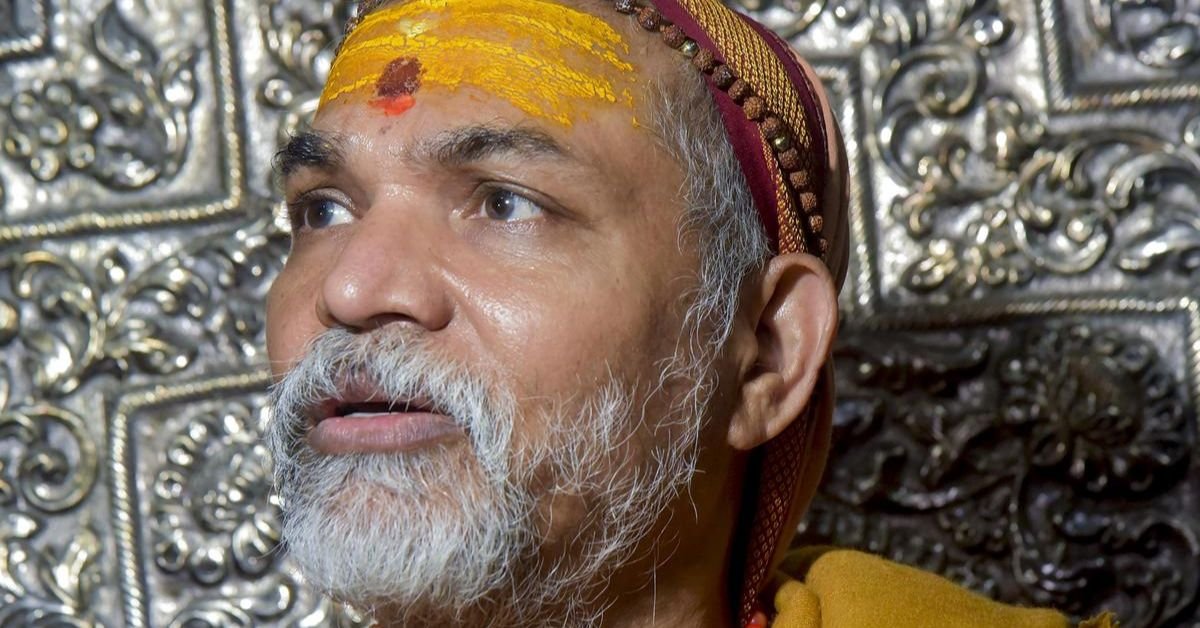
N. R. Narayana Murthy
Infosys co-founder N.R. Narayana Murthy is once again at the center of a heated online storm after praising China’s infamous “9-9-6” work culture during an interview.
The remarks, made in a discussion with Republic World’s Arnab Goswami, have gone viral on X (formerly Twitter), amassing thousands of likes, reposts, and quotes as Indians debate productivity, employee welfare, and national ambition.
In the interview aired on Republic TV’s “Legends” series, Murthy drew from his observations during a trip to China, highlighting the disciplined routine as a key driver of the country’s rapid economic ascent.
He explained the “9-9-6” slogan as working from 9 a.m. to 9 p.m., six days a week, equating to a grueling 72-hour workweek.
This echoes his earlier 2023 call for 70-hour workweeks, but the fresh context has amplified the conversation amid India’s push to become a global economic powerhouse.
Key Insights From The Interview
Murthy emphasized that India’s talent and innovative ideas are abundant, but closing the gap with China requires “extraordinary action” across sectors.
He argued that such intense dedication fosters goal-oriented progress, citing China’s infrastructure and workforce discipline as benchmarks.
“If we have great ideas, if we back it up with extraordinary action in every aspect, I do think we can do that,” Murthy stated, urging Indians to raise personal productivity standards.
This is not just rhetoric; Murthy tied it to broader economic goals, suggesting that emulating China’s Model could help India surpass its neighbor, whose economy is currently six times larger.
He reiterated that hard work is essential for any nation’s success, defending his views against past criticisms.
Widespread Backlash And Support on X
The comments have ignited a firestorm on X, with the hashtag #NarayanaMurthy trending as users dissect the implications.
Critics argue that promoting such hours ignores India’s realities, like low entry-level salaries at Infosys (around ₹3-4 lakh per annum for freshers) and rampant burnout risks.
One viral satirical post mocked it as a “fitness plan” where offices replace gyms, questioning if overwork equates to patriotism.
Others highlighted contrasts: China’s shorter commutes and better infrastructure make long hours feasible, unlike India’s traffic-choked cities and pollution woes.
“This mindset is exactly why burnout is becoming a global epidemic,” tweeted one user, calling for smarter work over longer hours.
Satirical takes abound, with Gen Z users joking about committing to a Netflix series being their limit.
On the flip side, supporters see merit in Murthy’s call.
Some argue that developing nations cannot afford Europe’s relaxed schedules and must prioritize growth.
“Maturity is realizing that Mr. Murthy is right,” posted one user, noting China’s government respect for workers contrasts with India’s billionaire-influenced policies.
Entrepreneurs echoed this, suggesting the Model suits startups but not employees without fair pay.
Broader Implications For Indian Work Culture
This debate ties into ongoing discussions about work-life balance in India, including policies at institutions like IISc Bangalore mandating attendance hours.
Murthy’s views come as India aims for a $5 trillion economy by 2027, but critics demand investments in R&D, health support, and equitable conditions first.
Original Analysis: While Murthy’s advocacy highlights a cultural shift needed for global competitiveness, it overlooks data showing that excessive hours often reduce long-term productivity due to fatigue.
Studies from the World Health Organization link overwork to health issues, suggesting India could innovate with hybrid models blending intensity and well-being.
As trends evolve rapidly on X, this could influence corporate policies, with calls for better pay and infrastructure gaining traction.
In a nation balancing ambition and equity, Murthy’s words serve as a timely reminder: Growth demands sacrifice, but at what cost?
Readers, what is your take: necessary hustle or outdated exploitation?
Post's Author