
Table Of Contents
From rising energy costs affecting households to questions on India’s global image, here is a clear look at what this controversy means for every Indian.
Pawan Khera Accuses Modi Of Criminal Silence On Iran
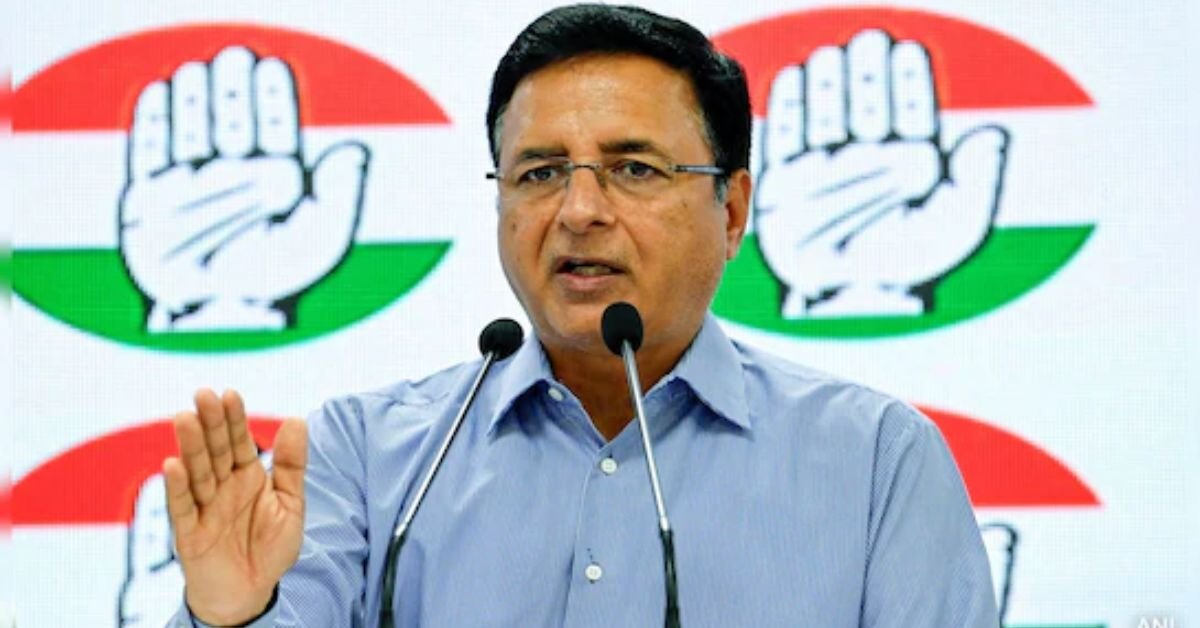
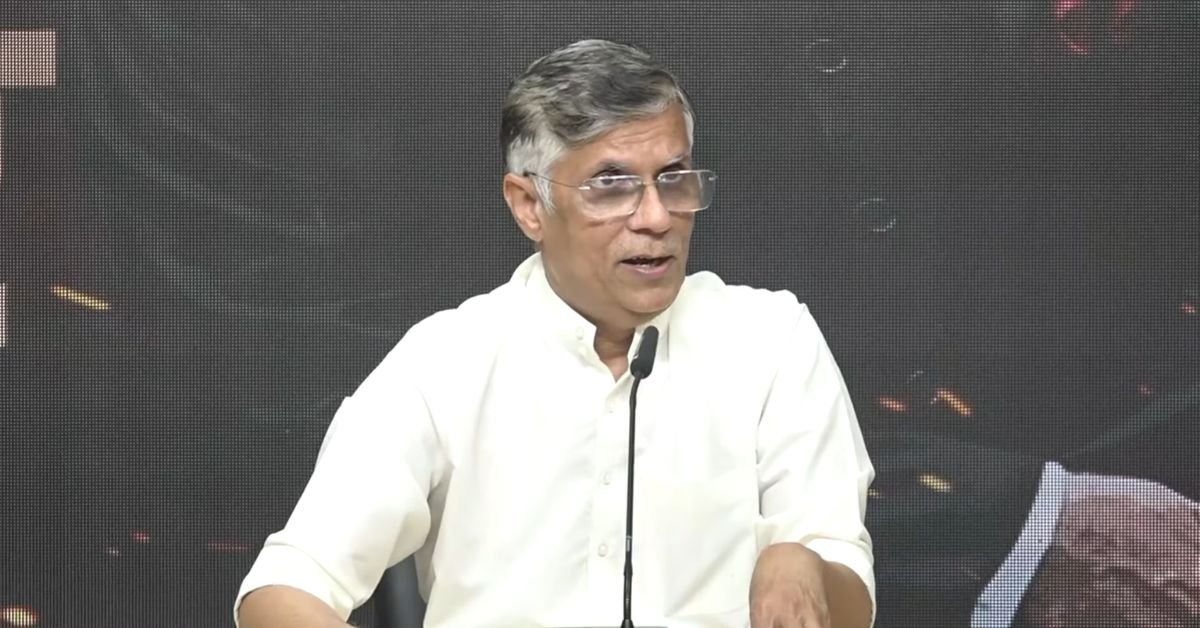
Senior Congress leader and spokesperson Pawan Khera delivered a pointed critique of Prime Minister Narendra Modi and the central government’s response to the recent escalation in West Asia during a press briefing at the Congress headquarters.
Khera focused on India’s official reaction, or lack thereof, to the US and Israeli military strikes on Iran, which resulted in the death of Supreme Leader Ayatollah Ali Khamenei.
He described the Prime Minister’s silence as “criminal” and argued that it has harmed India’s moral authority, economic interests, and historical relationships in the region.
Timing Of Modi’s Israel Visit Under Scrutiny
Khera drew attention to Prime Minister Modi’s visit to Israel, which occurred just 48 hours before the strikes began.
He questioned the trip’s purpose and outcome, suggesting it may have created an impression of alignment at a sensitive moment.
“The Prime Minister’s silence is no longer a personal issue; it has become a blot on the nation,” Khera said.
He noted that India, long regarded as a champion of a rules-based international order, failed to issue any statement condemning the strikes or expressing condolences for the Iranian leader’s assassination.
Economic Impact On Indian Households
A significant portion of the briefing addressed the potential consequences for ordinary citizens.
Iran’s decision to restrict shipping through the Strait of Hormuz, a critical route for much of India’s energy imports, has already stranded multiple Indian vessels and crew members.
Khera warned that the disruption could lead to higher fuel prices, higher cooking gas costs, and pressure on agricultural inputs in the coming weeks and months.
India’s Energy Dependence At A Glance
| Resource | Share Through Strait of Hormuz | Possible Effect on Daily Life |
|---|---|---|
| Crude Oil | Nearly 50% | Rise in petrol and diesel prices |
| LNG | Over 50% | Potential power shortages and industrial slowdowns |
| Domestic LPG | 85% | Higher cost of cooking gas cylinders |
| Fertilisers | 40% from Middle East | Increased farming costs and food inflation risk |
Fertiliser manufacturers have already begun reducing output due to supply chain delays from Qatar and other Gulf sources.
For millions of Indian families, this translates into higher living expenses and possible shortages ahead.
Concerns Over Maritime Security In The Indian Ocean
Khera also highlighted an incident involving an Iranian naval vessel participating in a regional exercise near Sri Lanka.
The ship was reportedly sunk by a US submarine, raising questions about India’s ability to protect its guests in its own maritime neighbourhood.
He contrasted the episode with India’s earlier role as a leading maritime power in the Indian Ocean, citing past instances where the country successfully safeguarded its interests and hosted international partners.
Historical Ties With Iran Overlooked?
The Congress leader reminded the audience of the deep civilisational links between India and Iran, spanning thousands of years.
Prime Minister Modi has previously spoken of these historic and cultural bonds.
Khera argued that the current approach overlooks these longstanding ties while appearing overly aligned with one side in the conflict.
He reiterated the opposition’s view that external influences may be limiting India’s independent foreign policy decisions.
Congress Response And Next Steps
While the government has maintained a measured public stance, several Congress leaders, including Mallikarjun Kharge, Sonia Gandhi, Rahul Gandhi, and Priyanka Gandhi Vadra, have publicly expressed concern.
Party representatives have visited the Iranian Embassy in New Delhi to sign the condolence book, and Khera confirmed that more leaders and workers will continue to do so.
Trivia
India and Iran share civilisational connections dating back over 2,500 years. Many common Hindi and Urdu words have Persian origins, and the legendary poet Amir Khusrau created a unique blend of Indian and Persian traditions in classical music and literature centuries ago.
Looking Ahead
The coming weeks will test India’s diplomatic and economic preparedness.
Global energy markets are already showing signs of strain, and efforts are underway internationally to prevent further escalation.
For India, the priorities remain clear: ensuring the safety of its citizens abroad, securing energy supplies, and preserving balanced relations across West Asia.
The opposition has indicated it will raise these matters forcefully in the next session of Parliament.
As the situation evolves rapidly, its effects on fuel prices, agriculture, and overall economic stability are likely to be felt by citizens across the country.
The developments in West Asia continue to unfold, with important implications for India’s strategic and economic interests.
Pawan Khera’s remarks have brought several key issues into public focus.
Thank you for reading this detailed update from THOUSIF INCORPORATED.
For clearer and more balanced coverage of Indian politics, the economy, and international affairs, explore our other articles on foreign policy and energy security.
We welcome your thoughtful comments below.
How do you see India navigating this complex situation?
Post's Author