
As the gardening season gains momentum across South India, rewilding has surged to the forefront of 2026 horticultural trends, according to the Pennsylvania Horticultural Society’s annual Top 10 Trends report and the Garden Media Group’s latest industry forecast.
This intentional approach moves away from highly manicured lawns and formal borders toward layered, naturalistic plantings that mimic local ecosystems.
Rather than neglect, rewilding involves strategic planning with native species, reduced chemical use, and minimal intervention to foster biodiversity and long-term resilience.
“Rewilding is not about letting the garden run wild; it is about collaborating with nature to create thriving, self-sustaining spaces,” said Dr. Priya Sharma, a Bengaluru-based landscape architect and specialist in native plants.
“In water-stressed urban environments like ours, even a compact balcony or terrace rewilding project can significantly boost pollinator populations, moderate microclimates, and slash ongoing maintenance and irrigation needs.”
The trend resonates strongly in India’s metropolitan areas, where climate challenges and rapid urbanisation are prompting a rethink of traditional gardening.
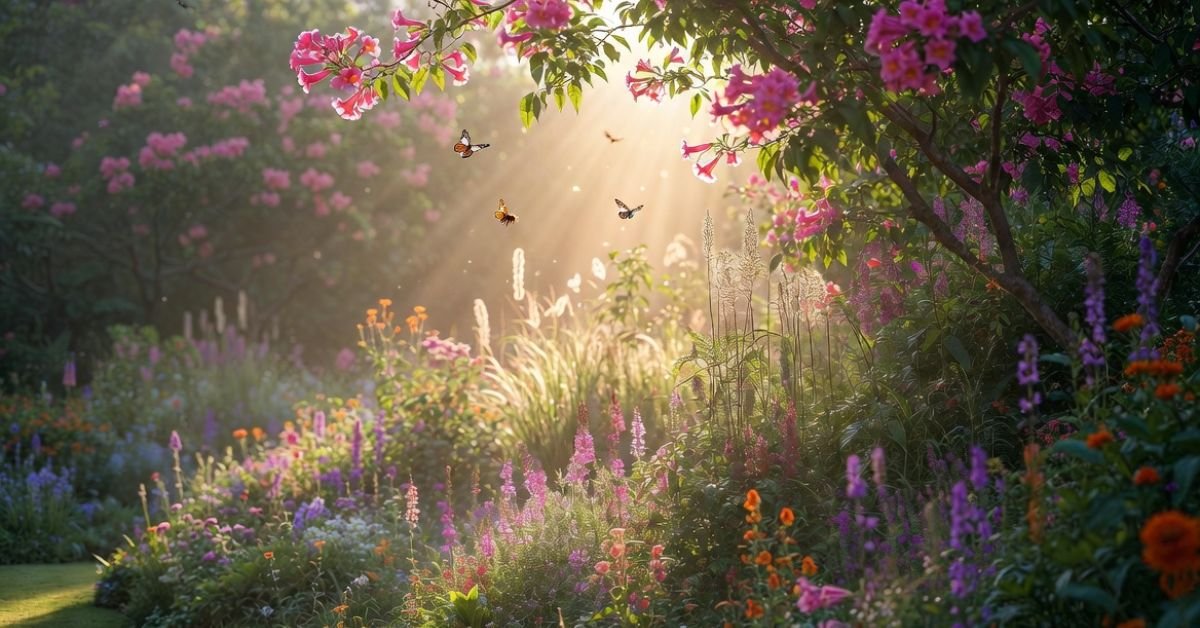
In Bengaluru, residents are increasingly incorporating locally adapted plants such as Tabebuia rosea (pink trumpet trees, currently in spectacular bloom citywide), neem, pongamia pinnata, and native wildflower mixes.
These species establish quickly, demand little supplemental water once mature, and deliver continuous ecological benefits throughout the year.
Scientific backing is robust: studies show that biodiverse, rewilded gardens can support up to ten times more wildlife species than conventional turf lawns.
Additional documented advantages include improved soil health, lower long-term costs, and measurable improvements in mental well-being from time spent in nature-connected outdoor spaces.
Local nurseries and community gardening groups report heightened demand this March for native seed mixes, meadow kits, and Miyawaki mini-forest starter packs.
Workshops on small-scale meadow creation and urban rewilding are booked solid across many Bengaluru neighbourhoods.
While some gardeners initially express concern about the shift from structured formality to softer, evolving aesthetics, advocates highlight the contemporary appeal of swaying grasses, self-seeding perennials, and naturally layered beauty that changes gracefully with the seasons.
In an era of growing climate consciousness, rewilding transcends a mere trend.
It reflects a broader cultural transition toward purposeful, regenerative gardening, where doing less often yields far greater returns for both people and the planet.
Gardeners in Bengaluru and beyond are discovering that the most satisfying landscapes are frequently those that feel most vibrantly alive.
Ready to start? Experts recommend beginning modestly: select a 2 m × 2 m corner, remove invasive species, introduce three to five complementary native plants, and allow natural processes to unfold.
The results, they note, consistently surprise and delight.
Post's Author