
Table Of Contents
As spring advances across the Northern Hemisphere and pre-monsoon temperatures rise in India, gardeners worldwide are adopting a positive new approach known as “Lemonading.”
The term, popularized by leading trend forecasters at Garden Media Group, encourages turning everyday gardening obstacles, such as climate stress, limited urban space, and water scarcity, into opportunities for creativity, resilience, and personal satisfaction.
This year’s trends emphasize practicality over perfection.
They focus on abundance, environmental responsibility, and transforming gardens into functional extensions of the home.
Drawing on reports from Garden Media Group, PHS, and Elle Decor, as well as widespread social media discussions, here are the five leading movements shaping gardens in 2026.
1. Rewilding and Naturalistic Planting
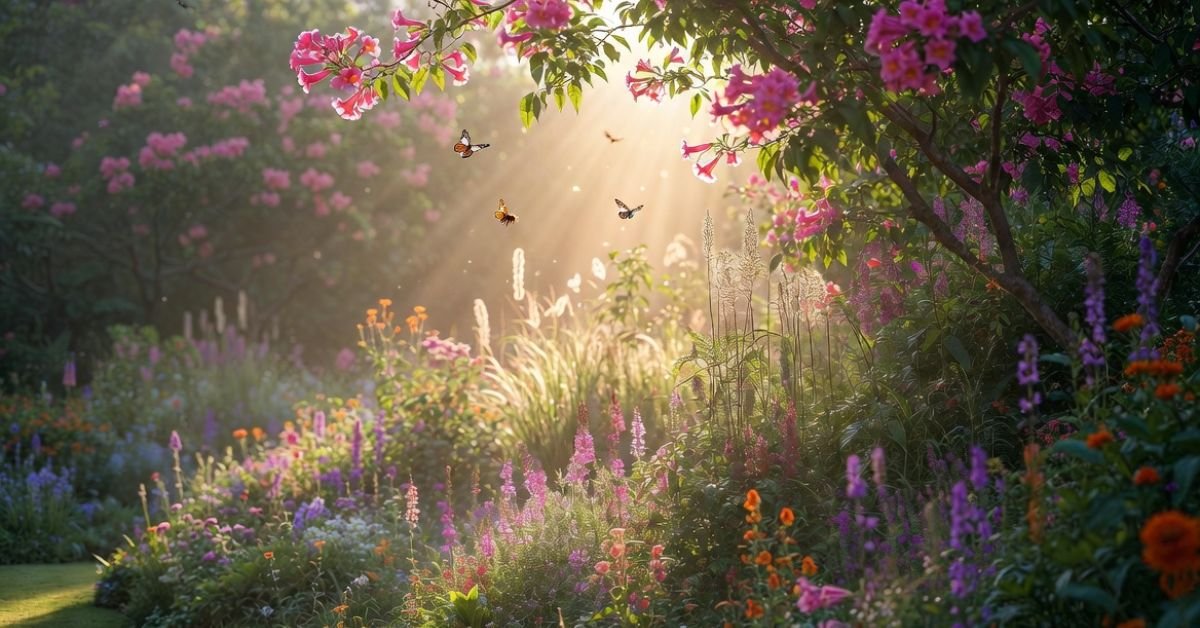
Formal lawns and rigid layouts are giving way to relaxed, layered plantings featuring native wildflowers, grasses, and perennials.
These designs promote biodiversity, attract pollinators, and require minimal upkeep, creating meadows that appear naturally effortless.
2. Water-Wise and Xeriscape Gardens
In response to hotter, drier conditions, gardeners are increasingly incorporating gravel beds, rock features, and drought-tolerant plants.
These low-maintenance landscapes conserve water while delivering a sleek, contemporary aesthetic suited to regions facing heat waves or unpredictable rainfall.
3. Maximalist and Dense Plantings
The era of sparse minimalism has ended.
Current preferences lean toward lush, multi-layered gardens filled with varied textures, colors, and foliage.
The result is an immersive, jungle-like environment that feels rich and abundant.
4. Outdoor Living and Patio Culture
Gardens are evolving beyond plant cultivation to serve as additional living areas.
Features such as fire pits, outdoor kitchens, pergolas, dining zones, and comfortable seating, often enhanced by string lights and seamless indoor-outdoor transitions, make these spaces ideal for relaxation and entertaining.
5. Edible Gardening And Companion Planting
Home food production continues to gain popularity.
Gardeners are integrating fruit trees, shrubs, vegetables, and herbs through companion planting (for example, pairing tomatoes with basil to enhance growth and deter pests).
Simple no-dig methods, including layering cardboard to build soil naturally, are gaining traction for their ease and sustainability.
Tailored Advice For Bengaluru Gardeners
In India’s bustling garden hub, where April brings intense heat and dry conditions ahead of the monsoon, these trends translate effectively to urban settings.
Balcony and terrace container gardening is surging in popularity, with vertical planters, railing pots, and heat-resistant plants such as bougainvillea, marigolds, herbs, and tropical edibles proving especially popular.
Water-wise native or adapted varieties help maintain lush greenery despite the pre-monsoon challenges.
Experts agree that 2026 marks a shift toward accessible, enjoyable gardening that benefits both people and the planet.
Rather than pursuing an idealized garden, the focus is on starting small, embracing the process, and achieving meaningful, eco-friendly results.
Post's Author